
On July 14th 2021, the UK government published its Transport Decarbonisation Plan (TDP). It outlined plans to reach net zero carbon emissions by 2050 through initiatives targeting the road, rail, aviation, and maritime sectors. Released while the global pandemic was still running hot worldwide, it not only demonstrated how the country planned to tackle emissions in the future, but also how the pandemic instigated change in the UK; changes that are still in full effect today. Remote working, for example, has changed how we commute to and from work. People are now more accustomed to ordering online, which has changed our shopping habits, and video-conferencing has drastically affected how we travel for business.
The document offers commitments such as a transformed bus industry and a world-class cycling and walking network in England by 2040. Other commitments include:
- Plans to maximise the use of low-carbon fuels in aviation and maritime sectors.
- Consulting on the Jet Zero Strategy to reach net zero aviation emissions by 2050.
- Working with the rail industry to modernise fares and retail to encourage a shift to travelling by train.
- Extending the Renewable Transport Fuel Obligation (RTFO) to support renewable fuels of non-biological origin used in shipping.
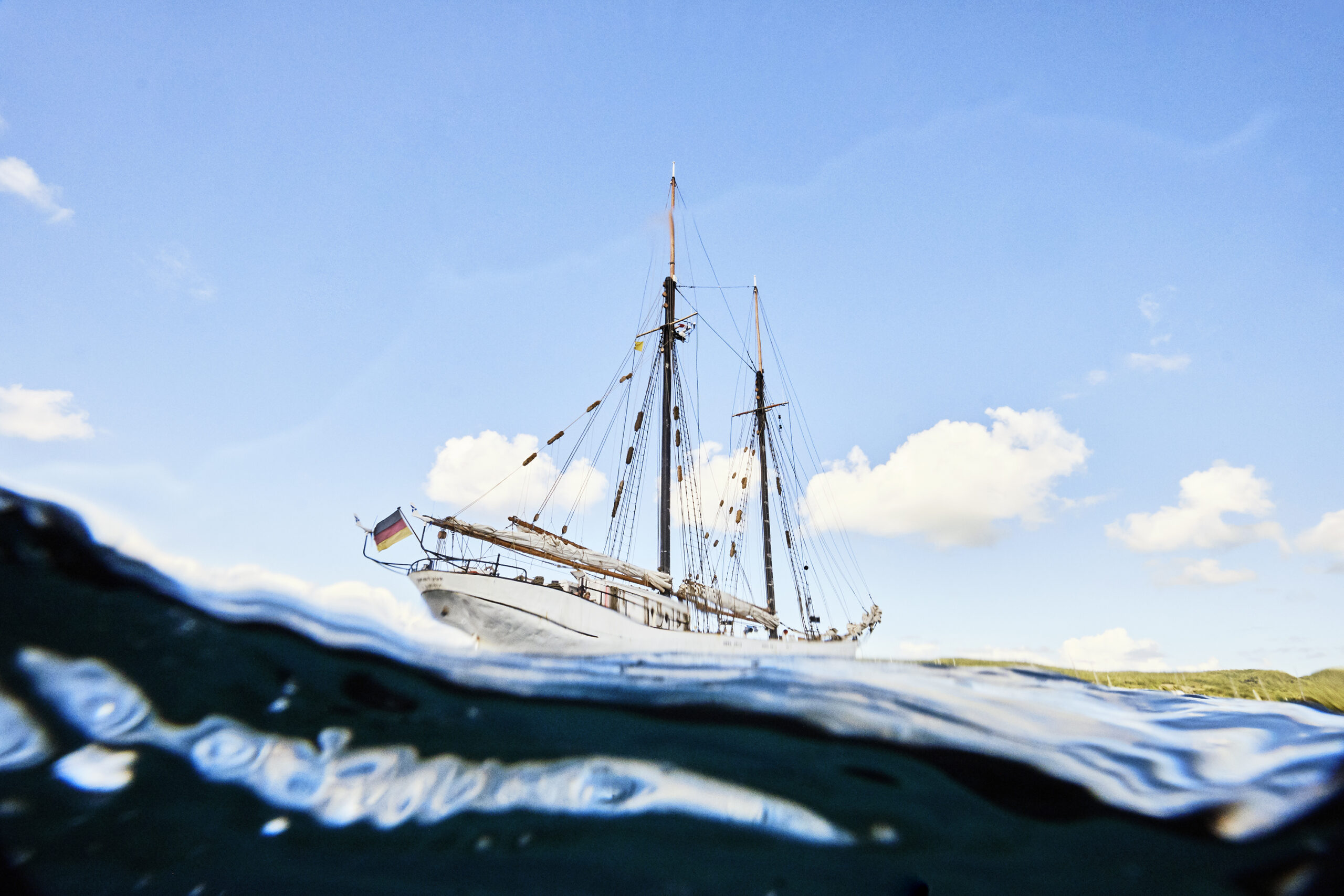
These are all part of the plan to reach net zero emissions by 2050. Flotilla4Change, and other non-profit organisations, including Extinction Rebellion who advocated for net zero by 2025, believe that this is not good enough. We can do better for our planet, and, as we prepare for COP30 in Belém, Brazil, we are advocating for change by facilitating a sailing flotilla to the summit to promote slow, sustainable travel.
The Controversy of COP30
According to the European Environment Agency, aviation emission impacts are some of the highest when measured on a passenger-kilometre basis. Yet, COP28 in Dubai in 2023 had over 70,000 delegates, most of which travelled by polluting air travel. The pandemic made it clear that we can change our daily lives when forced to, changes which, on the surface, save thousands of tonnes of carbon (however, it should be noted that these changes also create new challenges, such as a further rise in delivery vehicles on the road). We are instigating change, normalising sustainable solutions and the benefits of slow travel, which need to become more accessible to create more harmony and sustainability on our planet. If we could change during COVID, we can change now.
The reason we are doing this is not just about active decarbonisation, but discussion. The sail will produce a carbon footprint much lower than if travelling by air, but we also want to show the possibilities of wind-powered travel. Indigenous communities are central to COP30, and arriving by sail shows solidarity with their land and waters, the very things COP30 seeks to protect.
Slow travel can, to some, appear regressive, but we need to consider how a slower way of life is innovative. We believe that in a world of instant gratification and immediacy, slow travel not only heals our planet, but also ourselves. Sailing to COP30 offers a new model for collaboration, creativity and community building en route that a speedy journey lacks.
When in doubt, remember the words of Miley Cyrus, “The journey is usually the part you remember anyways”.
Author: Alfie Amadeus